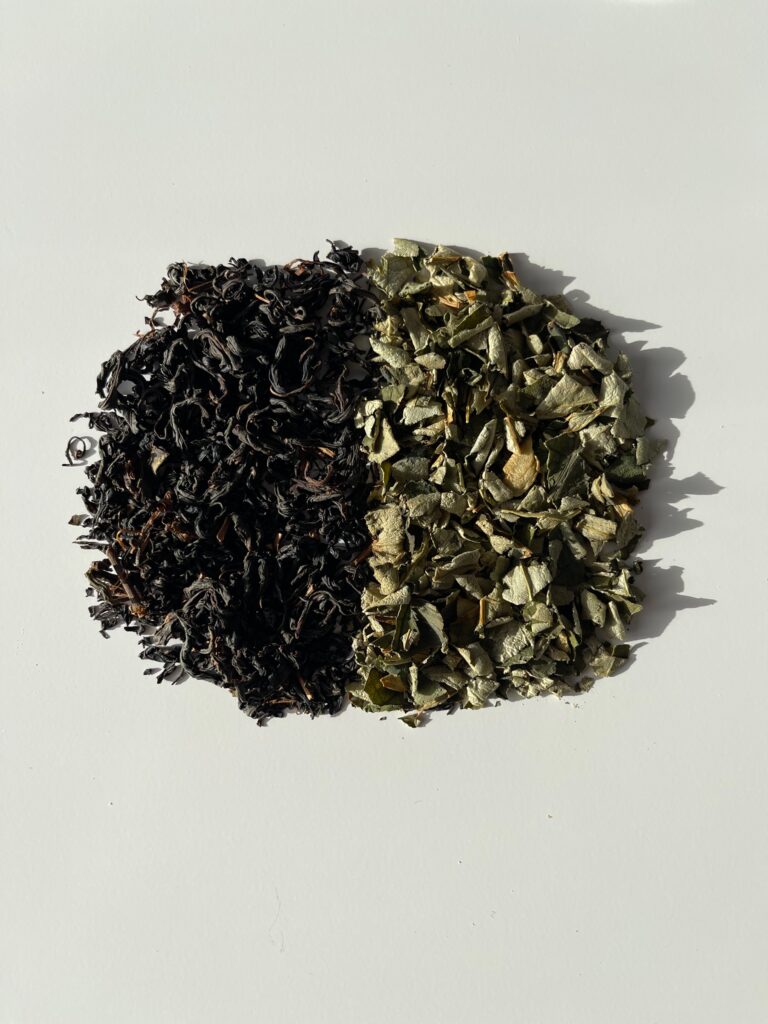
Tea and herbal infusions are very popular beverages around the world. They are part of many traditions and are often confused, but they are quite different. They do not have the same origin, composition, or taste, and their health effects also vary. In this article, we will explore these differences to better understand and appreciate these two beverages.
1. Origin and Composition
Tea
Tea comes exclusively from the plant Camellia sinensis. There are several types of tea, including:
- White tea
- Green tea
- Yellow tea
- Black tea
- Oolong
- Fermented tea
Herbal infusions
Unlike tea, herbal teas do not come from the Camellia sinensis plant. They are prepared from a wide variety of plants, flowers, fruits, seeds, and spices. Chamomile, mint, and rooibos are some popular examples.
2. Caffeine Content
A key aspect that distinguishes tea from herbal teas is their caffeine content:
- Tea contains caffeine, although the amount varies depending on the type.
- Herbal infusions are generally caffeine-free, making them ideal for evening consumption or for those looking to avoid stimulants.
3. Health Benefits
Both beverages offer health benefits and have a relaxing effect, but their advantages differ based on their composition:
- Tea is rich in antioxidants, particularly flavonoids, which can help combat cellular aging, reduce the risk of cardiovascular diseases, and improve concentration. Some studies also suggest beneficial effects on metabolism.
- Herbal infusions provide a variety of benefits depending on the ingredients used. For example:
- Chamomile: often valued for its calming properties, ideal before bedtime.
- Mint: known for its refreshing effects and digestive aid.
- Rooibos: a South African infusion that is naturally caffeine-free, perfect for evening consumption.
4. Preparation Method
The preparation of tea and herbal infusions is similar, but there are some differences:
- Tea preparation: The water temperature and steeping time are crucial. Generally, green tea should be steeped at a lower temperature (around 70-80 °C) for 2-3 minutes, while black tea may require nearly boiling water (90-95 °C) for 3-5 minutes.
- Herbal infusions preparation: They are often more flexible. Most herbal teas can be made with boiling water and steeped for 5 to 10 minutes, depending on the plant used. Herbal teas can also be prepared with fresh or dried fruits for a more intense flavor.
5. Time of Consumption
Both beverages can be consumed at different times of the day, depending on the desired effects:
- Tea is often enjoyed in the morning or afternoon for its stimulating effect, making it ideal for starting the day or getting an afternoon boost. However, it is best to avoid tea late in the evening for those who are sensitive to caffeine.
- Herbal infusions are often consumed in the evening or before sleeping, especially those with relaxing properties like chamomile. They can also be enjoyed at any time of the day without stimulating effects.
In Summary
Although both tea and herbal infusions are delicious and beneficial beverages, they are fundamentally different in terms of origin, composition, caffeine, and health benefits. Tea, derived from the Camellia sinensis plant, offers a variety of flavors and stimulating effects due to its caffeine content. Herbal infusions, on the other hand, represent a broader category made up of various plants, often caffeine-free, and offer specific properties based on the ingredients used.
So, whether you are a tea enthusiast or a herbal infusions lover, there is always a beverage for every moment and every need.
What is your preference?